On this page
- Where is Jinato Island?
- Who lives on Jinato?
- How do you reach Jinato?
- What are the dive sites near Jinato?
- Are there places to stay and phone signal?
- What else happens at Jinato?
- Who should put Jinato on an itinerary?
- What do travellers ask about Jinato?
- Which sources support this page?
- How do I reach the desk?
By Taka Bonerate Editorial Desk
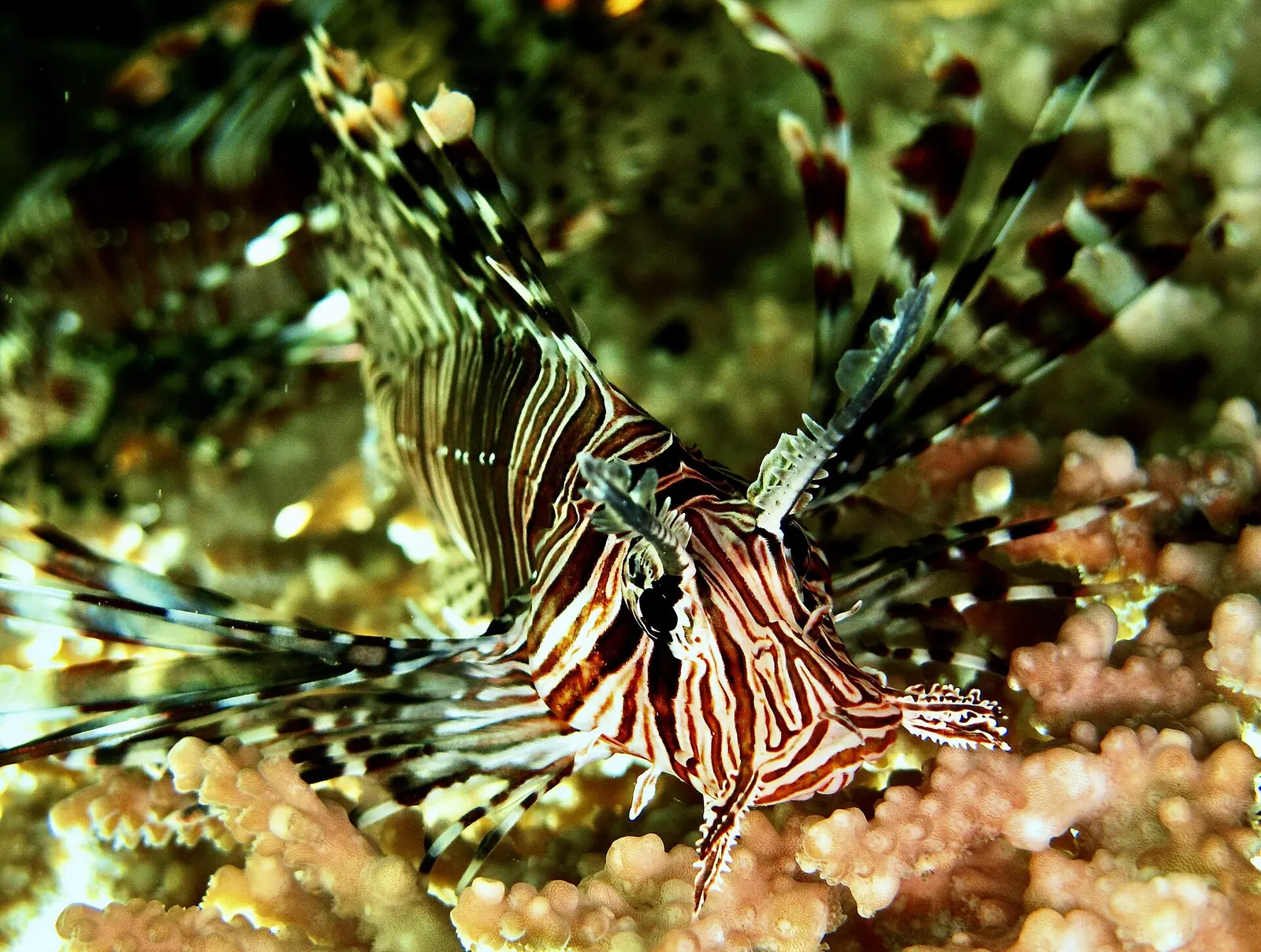
Jinato Island is an inhabited village island of about 58 hectares in Taka Bonerate National Park, South Sulawesi. According to the park office, nearly all residents are Bugis, and the island has a harbour, homestays and wall dive sites close by. It also has a call on the KMP Taka Bonerate ferry, though that service does not run daily.
Tinabo has no residents except park staff. Jinato is the opposite kind of place, with boats being built on shore and fish cages offshore. This page sticks to what the published record says about living on it, reaching it and visiting it.
Where is Jinato Island?
The park's field-station list puts its Jinato post at −6.7618, 120.9671. Tinabo's post is at −6.5729, 121.0986, so Jinato lies well to the south-west of the main visitor hub. The Pasitallu Timur post is further south still, at −7.0732.
| Jinato at a glance | Figure | Source |
|---|---|---|
| Land area | About 58 ha | Park office, Jinato resort page |
| Length and width | 1,000–1,200 m by 400–600 m | Park office, Jinato resort page |
| Administrative role | Seat of Jinato village | Park office, Jinato resort page |
| Households | About 284 | Park office, Jinato resort page |
| Lantigiang by boat | About 15 minutes on one page; 30–45 minutes on another | Park office |
Nearby is uninhabited Lantigiang. Two park pages give different boat times for that hop, so ask which kind of boat a quoted time assumes.
Who lives on Jinato?
According to the park office, about 98 percent of residents are Bugis, across about 284 households. That page's breakdown of men and women looks wrong, so it is not repeated here, and the household count should be read with care too. The page dates from 2014.
The trades the park describes are floating fish cages and traditional boat building, along with a coconut-shell craft group, Sanggar Lantigian Kreatif. Boat building has become part of how the island presents itself. When the Caledonian Sky made what the park calls the first cruise call to Taka Bonerate in 2016, about 100 European visitors came to Jinato and were shown boat building and dance.
The island was also on the plan for Festival Taka Bonerate in 2023. Antara reported that the event was scheduled for 26–30 October at Benteng, Jinato and Tinabo, with homestays and tents being prepared and a target of 1,000 visitors. That was a target, not an attendance figure, and the event's dates change from year to year. Treat Jinato as a working home for a few hundred families: greet people, ask before you photograph them or walk into a boatyard, and let your host explain what is welcome.
How do you reach Jinato?
By sea, after reaching Selayar. The full journey from Makassar is set out in the guide to getting to Taka Bonerate. For the last leg, the sources give the following, and the figures are not interchangeable.
| Route | Time or frequency | Source and date |
|---|---|---|
| Benteng by car to Pattumbukang, then wooden jolloro | 1.5 hours by car, then 6–7 hours by boat | Park office access page, 2014 |
| Benteng by car to Pattumbukang, then speedboat | 1.5 hours by car, then 2–2.5 hours by boat | Park office access page, 2014 |
| Pattumbukang harbour to Jinato; boat type not stated | 5 hours | Park office article, 2018 |
| Benteng to Jinato; boat type not stated | 8 hours | Park office article, 2018 |
| KMP Taka Bonerate ferry: Bira, Patumbukan, Kayuadi, Jinato, Jampea, Bonerate, Kalaotoa | 5 trips in October 2025 | Detik, October 2025 |
The ferry is what sets Jinato apart. It is a public vessel that calls here, and the same listing shows it does not call at Tinabo. Five trips in one month means you need to plan around it, and a timetable for one month says nothing about the next. The national tourism portal adds that ferries stop when waves are dangerously high. Build in spare days, and have an answer ready for what happens if the return sailing does not run.
Landing by ferry also solves only part of the problem. You will still need a local boat to reach any reef or neighbouring island, and arrangements of that kind are made with whoever owns the boat.
What are the dive sites near Jinato?
Jinato wall diving rests on two park sheets, plus two more distant reefs. All of these figures are old, and the full list is on the dive sites page.
| Site | Where | Recorded | Record |
|---|---|---|---|
| Jinato Wall Paradise | Jinato waters | Wall, 5–15 m; visibility 15–20 m; water 27–29 °C; cover 57–83%; giant clams, morays | 2014 |
| The Rivers | Jinato waters | Slope to wall, 5–10 m on average; visibility up to 20 m; current 0.15 m/s; live coral 30–78% | 2016 |
| Taka Mallori | About 1–1.5 hours by boat south-east | Hard coral 55%, soft 27.5%; current 0.62 m/s; visibility 15 m | 2013 |
| Taka Kayu Bulan | West of the park, beside Jinato | Cover reaches 75–90 percent at some points; suited to swimming, snorkelling and diving | 2014 |
Do not assume the whole area looks like its best numbers. The same park page blames blast and poison fishing above all for the damage around Taka Sepe and Teros, both named on the page for this resort area. Equipment is the other planning point: park sources place the dive centre on Tinabo Besar. If you plan to dive from the island, settle tanks, compressor and boat before you leave Selayar.
Are there places to stay and phone signal?
A 2018 park article says Jinato has several conservation-village homestays supported by the park. Discover Your Indonesia, a commercial guide with no date, says homestays in the area are usually settled once you arrive, with no advance booking. Those two statements can both be true, and neither tells you what is open this season. Options across the atoll are compared on the where to stay page. This guide and its desk run no rooms here.
Signal is a clearer conflict. The same park article reported cell signal usable for the internet in 2018, and it also mentions a harbour and a plant for drinking water. Discover Your Indonesia reports neither phone signal nor internet, and limited electricity, without naming an island. Signal evidently varies by island and by year. In July 2022 the park also signed an agreement for four shared telecom towers in the park, but whether they were built is unconfirmed. Plan as if you could lose contact for days, and tell someone at home when you expect to be back.
What else happens at Jinato?
Three things draw attention, and each comes with a limit.
- Whale shark reports. On 5 October 2021, between 03:00 and 06:00, the park recorded seven whale sharks of 4–7 m feeding under a lift-net boat near Jinato. Sightings came around lift-net boats, or bagang, run by island residents. These are working fishing platforms, and a report from one night gives no odds. The whale shark page collects the rest of the record.
- Coral transplanting. Local groups run a coral transplant garden where, according to the park, visitors can learn the process. Ask whether anyone is available to show it when you are there.
- Baby sharks, mostly elsewhere. A 2024 survey the park reported counted 3 juvenile blacktips at Jinato against far more at Tinabo. If those are your reason for coming, read baby sharks at Tinabo first.
Who should put Jinato on an itinerary?
Jinato suits travellers who care about people and boats as much as reefs, who have spare days, and who can live with uncertain signal and homestays that have to be confirmed. It suits divers who have a boat and tank plan sorted in advance. It suits a tight schedule less well: the sea legs above take a long day on slower boats, and a park visitor survey found that 3 days is the most common stay for the park as a whole. On a three-day visit, a long crossing eats a large share of your time.
What do travellers ask about Jinato?
Is Jinato Island inhabited?
Yes. The park office records about 284 households, about 98 percent of residents Bugis, and the island is the seat of Jinato village.
How do I reach Jinato Island?
The park office gives 1.5 hours by car from Benteng to Pattumbukang, then 6–7 hours by jolloro or 2–2.5 hours by speedboat. Another park page says 5 hours from Pattumbukang. The KMP Taka Bonerate ferry also calls, though not daily.
What marine life is near Jinato Island?
Park sheets list giant clams and morays at Jinato Wall Paradise. The park also recorded seven whale sharks under a lift-net boat near Jinato in October 2021, which was a single event and not a season.
Is Jinato Island safe for travellers?
The practical risks are long sea crossings and thin rescue cover, as our safety page sets out. Ask your operator what the plan is if something goes wrong.
What should I pack for Jinato Island?
Underwater Atlas tells divers in the atoll to pack a personal computer, compass and marker buoy. Discover Your Indonesia warns of limited electricity, so bring what you need to cope without steady power or signal.
Which sources support this page?
- Park office: Jinato resort page
- Park office: Jinato article, 2018
- Park office: field stations
- Park office: access routes
- Park office: Lantigiang boat time
- Park office: first cruise call, 2016
- Park office: Jinato Wall Paradise
- Park office: The Rivers
- Park office: Taka Mallori
- Park office: Tinabo dive centre
- Park office: seven whale sharks, 2021
- Park office: baby shark survey, 2024
- Park office: telecom towers, 2022
- Park office: visitor survey on length of stay
- Detik: ferry route, October 2025
- Antara: Festival Taka Bonerate 2023
- Indonesia tourism portal: ferries and waves
- Discover Your Indonesia: homestays and signal
- Underwater Atlas: gear advice
How do I reach the desk?
Say that Jinato is the stop you care about, how many days you have, and whether you would accept a ferry-based plan: WhatsApp +62 811-3941-4563 or bd@juaraholding.com. The desk can tell you what it knows. A request can lead to a paid booking, so we have a commercial interest, which is why the disclaimer matters. Nothing is agreed until a written offer names the price and the company.
Send the desk your dates, group size, and dive level. The desk replies in writing.
Ask the desk on WhatsApp bd@juaraholding.com