On this page
- What does Taka Bonerate marine life include?
- Why do species counts differ between sources?
- What about seagrass, clams and mangroves?
- Which birds are found here?
- Which protected species does the park matter for?
- Can you count on seeing mantas or dolphins?
- What else do readers ask about wildlife here?
- Which sources support this page?
- How do I reach the desk?
By Taka Bonerate Editorial Desk
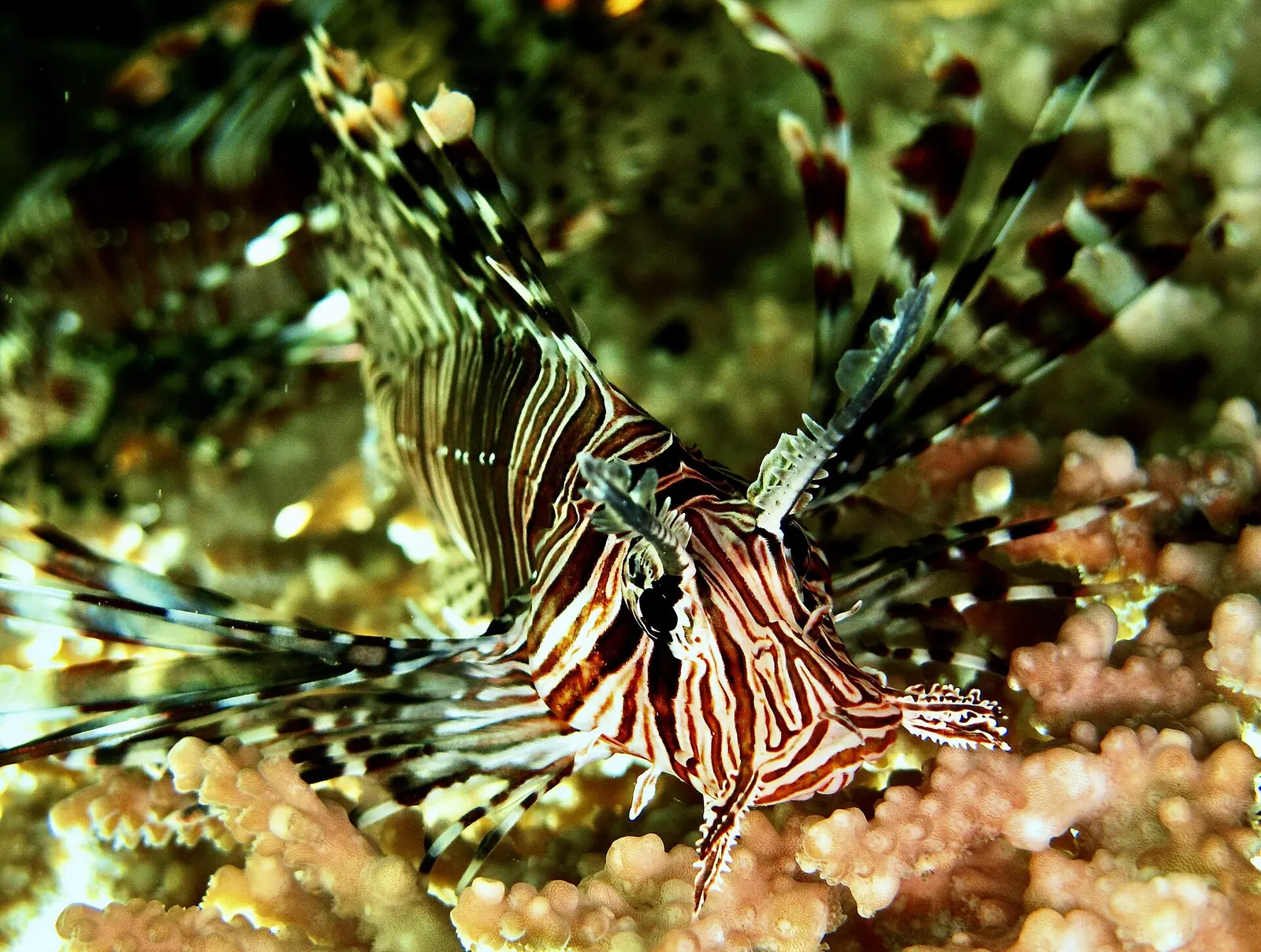
Taka Bonerate marine life, by the park office's 2017 count, includes 242 coral species, 564 fish, 299 molluscs, 64 echinoderms, 15 crustaceans, 6 reptiles, 5 mammals and 112 algae. Other sources give different totals, and one documented reason is that the portal counts only reef fish. Read each figure as a dated list of species, not a forecast of what you will see.
This page looks at Taka Bonerate as a whole. Single animals with their own evidence, such as young sharks, whale sharks and turtles, have separate pages linked below.
What does Taka Bonerate marine life include?
The three whole-park lists disagree in places, so here they are side by side:
| Group | Park office (2017) | Indonesian tourism portal (undated) | Wikipedia, citing the Department of Forestry (older) |
|---|---|---|---|
| Coral | 242 | 242 | 261 |
| Fish | 564, reef and pelagic | 526 reef fish | 295 reef fish |
| Molluscs | 299 | Not quoted | 244 |
| Algae | 112 | 112 macro algae | Not quoted |
| Echinoderms | 64 | Not quoted | Not quoted |
| Crustaceans | 15 | Not quoted | Not quoted |
| Reptiles | 6 | Not quoted | Not quoted |
| Mammals | 5 | Not quoted | Not quoted |
Sources: the park office, the tourism portal and Wikipedia. Use the park's list if you need one set of figures. It is the newest whole-park count available, and the office that manages the park published it. The portal also places Taka Bonerate in the Coral Triangle, alongside Wakatobi, Ambon, Banda, Raja Ampat and Bunaken. For a side-by-side with one of those, see Taka Bonerate vs Wakatobi.
Whole-park lists rarely name individual animals. The park's dive sheets are more useful for that, although most date from 2014. They put Acropora palifera at Uka, where hard coral reaches about 80 percent, and describe foliose coral fields at Lembaran Daun. The sheet for Haemulidae uses sweetlips as its mascot and suggests a possible spawning site. Acropora Point lists eagle rays, frogfish and bumphead, Jinato Wall Paradise lists giant clams and morays, and Pasitallu Raja lists sea fans and giant clams. Each is a note about one site in one period, so treat it as a hint.
Why do species counts differ between sources?
One documented reason is scope. The sources do not explain the rest, so the other two notes below are limits on how to read the numbers.
- Different scope. The park's 564 fish include pelagic species, while the portal's 526 is described as reef fish. Comparing those two directly overstates the gap.
- Different dates. Wikipedia's 295 reef fish come from older Department of Forestry figures. A higher later count should not be read as fish arriving.
- Carried-over numbers. The park's oceanography page attributes 564 species in 53 families and 160 genera to its 2013 management plan, and the 2017 list shows the same 564. Treat the two as one data point.
Coral runs the other way: the older figure of 261 is higher than the later 242. It should not be read as 19 species lost.
Species lists also say nothing about abundance. A fish recorded once in a survey counts the same as one on every reef, so a long list is no measure of reef health. For that, read the surveys in our page on coral reef condition.
Turtles show how a single website can hold several answers. A park survey gives four species (hawksbill, olive ridley, loggerhead and green), an older table on the park site lists six, and the portal names three. The breakdown is in our guide to Taka Bonerate sea turtles.
What about seagrass, clams and mangroves?
These get less attention than sharks, and the figures for them are firmer:
| Group | Figure | Source and date |
|---|---|---|
| Seagrass | 11 species from 7 genera | Park management plan, 2013 |
| Giant clams | 6 species, including Tridacna gigas; a clam garden on Tinabo | Park conservation article |
| Old mangroves | 20 old Avicennia trees on Tarupa Kecil, trunks from 30 to over 90 cm | Park article, 2015 |
The clam garden is the easiest of these to see because it sits at the park's main tourism island. The mangroves are a much smaller feature. The park counts just 20 trees, and residents treat them as sacred, so ask before walking among them. They are covered in our guide to Tarupa Island.
Taken together, these show habitats beyond coral. The park's own material describes reef flats and lagoons, walls, sand cays, seagrass beds and a small amount of mangrove, in a place where land is under 1 percent of the park. Water depth ranges from 2 or 3 metres over reef flats down to 200 metres.
Which birds are found here?
UNESCO records 34 bird species: 12 land birds, 13 shorebirds and 9 seabirds. That figure belongs to the whole biosphere reserve, which includes Selayar itself, so it is not a count for the atoll alone. Closer to the park, an April 2021 inventory at 8 sites named species such as terns, plovers and reef egret. That is a useful guide to what to look for on sand cays. These sources do not rank islands for birds, so ask a ranger which sites were active that season.
Which protected species does the park matter for?
UNESCO names hawksbill turtle, green turtle, common dolphin, napoleon fish, sperm whale and short-finned pilot whale as protected species of the reserve. The park adds two sharks in its own reporting. It reports the whale shark as an endangered species with Indonesian legal protection (Kepmen-KP 18/2013), and the blacktip reef shark as vulnerable on the IUCN Red List. A 2019 journal paper adds dugong at Rajuni, citing a 2016 study. It is the only mention of dugong in these sources, and the park's count of 5 mammals is not broken down on this page, so read it as one report.
This is where marine conservation meets daily life. The park blames blast and poison fishing for most reef damage around Taka Sepe and Teros, and hundreds of fishers signed a declaration against those methods at Tarupa in March 2022. Pressure shows up at larger scale too. A 2021 study in the journal Sustainability reports fishery output in the reserve falling from about 29,000 to 21,500 tons a year between 2014 and 2018, a reserve-wide figure and not one for the park alone. Visitors have a part as well, since park rules forbid catching protected species and damaging marine life.
Can you count on seeing mantas or dolphins?
No. The strongest line comes from the tourism portal, which invites divers to swim with dolphins, turtles and manta rays, with sharks or sperm whales sometimes in view. That is promotional wording, and it gives no rate or season. Before you choose a trip for one animal, look at the kind of evidence behind each claim:
| Animal | Who says so | Kind of evidence |
|---|---|---|
| Manta rays | Indonesian tourism portal | General statement, no rate or season |
| Dolphins | Tourism portal; UNESCO names common dolphin | General statement and species list |
| Sperm whales | Tourism portal ("sometimes"); UNESCO | General statement and species list |
| Grey and whitetip reef sharks, eagle rays | Underwater Atlas, a commercial guide | Guide description of outer walls |
| Juvenile blacktips | Study reported by the park | Count at one site, in one survey period |
| Whale sharks | Park reports from 2021 | Single events |
Underwater Atlas describes grey and whitetip reef sharks and eagle rays on outer walls, and gives no numbers. The two counted or dated records are on our pages about baby sharks at Tinabo and whale sharks in Taka Bonerate. Any sighting is luck, and this site cannot promise one.
What else do readers ask about wildlife here?
What marine habitats surround Taka Bonerate?
The park describes coral reef flats, walls and slopes, a lagoon system, sand cays, seagrass beds and a small number of old mangroves. Water depth inside the park ranges from 2 or 3 metres over reef flats down to 200 metres.
What coral species live in Taka Bonerate?
The park office counts 242 coral species. Named examples are hard to find on a whole-park basis, but its dive sheets mention Acropora palifera at Uka and foliose coral fields at Lembaran Daun.
What fish species live around Taka Bonerate?
The park counts 564 reef and pelagic species in 53 families. Park dive sheets mention sweetlips, frogfish, bumphead and morays at particular sites, and UNESCO names napoleon fish among protected species.
What makes Taka Bonerate different from other marine parks?
Mainly scale. The park office and UNESCO describe one of the largest coral atolls in the world, with only 526 hectares of land. People also live inside the park, and most of its area is traditional zone.
Why is Taka Bonerate important for marine conservation?
It holds large reef areas and protected species that UNESCO names, within a reserve where fishing is the first local economy. The park reports blast and poison fishing as main causes of reef damage in some areas.
Are there dugongs at Taka Bonerate?
One mention is on record. A 2019 journal paper lists dugong among animals at Rajuni, citing a 2016 study, with no date, count or sighting rate, so do not plan a trip around one.
Which sources support this page?
- Park office: charismatic fauna, species counts
- Park office: oceanography
- Park office: turtle habitat survey
- Park office: Tinabo clam garden
- Park office: old mangroves and land area
- Park office: shorebird inventory, 2021
- Park office: whale shark report
- Park office: blacktip juvenile study
- Park office: Resort Jinato
- Park office: area characteristics
- Park office: Uka dive site
- Park office: Lembaran Daun dive site
- Park office: Haemulidae dive site
- Park office: Acropora Point
- Park office: Jinato Wall Paradise
- Park office: Pasitallu Raja
- Sustainability: tourism and livelihoods study
- Park office: destructive fishing declaration
- Park office: rules for visitors
- UNESCO: Taka Bonerate-Kepulauan Selayar Biosphere Reserve
- Indonesian tourism portal: Taka Bonerate National Park
- Wikipedia: Taka Bonerate National Park
- Underwater Atlas: Takabonerate National Park
- Journal of Tourism and Hospitality Management: Bajo Taka Bonerate, 2019
How do I reach the desk?
The desk cannot arrange an animal encounter, and no one should sell you one as certain. If you have a newer species survey or a trip question, contact WhatsApp +62 811-3941-4563 or bd@juaraholding.com. A request can lead to a paid booking, so we have a commercial interest.
Send the desk your dates, group size, and dive level. The desk replies in writing.
Ask the desk on WhatsApp bd@juaraholding.com